Posts

Showing posts with the label pregnancy

Must Have Tests Before Planning a Pregnancy: By Dr. Ankita Kaushal

Image
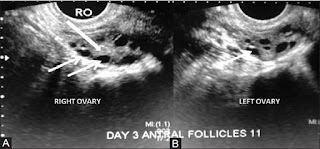
  Introduction Embarking on the journey of parenthood is an exciting and life-altering decision. To ensure a smooth and healthy pregnancy, it's crucial to lay a strong foundation by understanding your fertility potential. In this blog Dr. Ankita Kaushal , we'll explore the baseline tests that can provide valuable insights into your reproductive health and increase your chances of a successful pregnancy. Antimullerian Hormone (AMH) Blood Test The AMH blood test is a key indicator of your ovarian reserve, providing valuable information about the quantity and quality of your eggs. This test measures the level of AMH, a hormone produced by the developing egg sacs in the ovaries. A higher AMH level generally indicates a healthier ovarian reserve, while a lower level may suggest reduced fertility potential. Antral Follicle Count (AFC) Ultrasound Performed on days two or three of your menstrual cycle, AFC ultrasound involves counting the number of small, resting follicles in yo...
Ovulation_Induction (OI) By Dr. Ankita's Fertility Center Monday Medications

Image
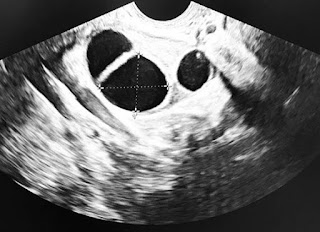
Ovulation_Induction (OI):- Various oral and injectable hormonal preparations are used for ovulation induction. Which one will be used for your Fertility treatment depends on a few factors - what is your ovarian reserve ( AMH + AFC), which treatment is planned ( Timed Intercourse /IUI/ ICSI/ IVF), do you have any other factors such as PCOS, extremely low ovarian reserve, previous surgery on the ovaries ( for cyst, endometriosis). The dose also depends on your weight, BMI at the time of the treatment. Ovulation induction agents :  Oral - Tablets - Clomiphene Citrate, Letrozole   Injectable - HMG ( Urinary/ Highly purified) ; Recombinant hormones  Duration of Ovulation Induction :   It starts on day 2 or day 3 of your menses ( periods); usually, continue for the next 12 days. Usually, by day 14/15 the developing follicles reach a size enough to Harbour a mature oocyte ( egg) What can go wrong with my Ovulation Induction cycle :   ...

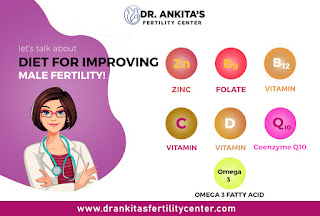
Let's talk about A DIET FOR IMPROVING MALE FERTILITY!

Image
Food is the best medicine, and there are no two thoughts about that. Someone rightly said you are what you eat! Nowadays, the food we consume does more harm than good. Today we are going to highlight some food products which help improving Male Fertility. From the desk of our Nutritionist - Dr. Bhavya Rao List of food Items that help improve Male Fertility 1. Zinc:- oysters, shellfish, nuts and beans 2. Folate:- green leafy vegetables like Brussel sprouts spinach and asparagus 3. B12:- whole eggs, milk, and milk products, nutritional yeast 4. Vitamin C:- oranges, Indian gooseberry, all citrus fruits 5. Vitamin D:- salmon mackerel tuna fortified yogurt milk, mushrooms 6. Coenzyme q10:- soybean and canola oil, fish like herring and trout 7. Omega 3 fatty acids:- walnuts, flaxseeds, canola oil, tuna, sardines, salmon 8. Ashwagandha root 9. Restrict the use of soybeans as they are proven to reduce fertility in men - due to the presence of anti-nutritional properties.

Know your tests - Antral Follicle Count

Image
Antral Follicle count is the total number of follicles in both ovaries, between 2-10mm, seen on a transvaginal ultrasound during the early follicular phase, between day2-4 of your menstrual cycle. It is a very important marker for ovarian reserve. If AFC is less than 5 then it is labeled as a poor ovarian reserve. Between 5-15 is considered normal. 15-25 is high AFC and >25 is seen in PCO patients. In recent studies, AMH ( antimullerian hormone) is said to have clinical significance only if AFC is poor (<5). If so then AMH and AFC both are considered to make a diagnosis of the poor ovarian reserve. AMH does not have much role when AFC is normal or high. A baseline scan on Day 2/3 of your menses is an important scan in your initial evaluation for subfertility . Dr. Ankita Kaushal www.drankitasfertilitycenter.com